
Fluidity is Authenticity
Becoming yourself again and again..


The concept of being authentic has entered the collective group chat and is now our latest preoccupation. The idea has triggered a wave of self inquiry that asks: “Am I being authentic?”
Which, can evoke the next series of questions:
Who am I?
How do others view me?
Does it align with the way that I view myself?
Does it resonate?
Do I want to change?”
Cue identity crisis.
Understanding how we got here isn’t a simple answer. It’s a web of layered interactions between our social environment and our sense of self.
Understanding Authenticity
“In psychology, authenticity is more than merely trying to be ourselves; it requires us to know and own who we are (Joseph, 2019).”
Living authentically means knowing and upholding our values and beliefs, while also honoring the ever-changing wants and needs that arise in each new moment. It is where fluidity meets truth of self. In listening and allowing ourselves to stretch as we evolve. It calls for seasonal self analysis, returning again and again to evaluate our perspectives, convictions, and identity.
The desire to navigate the world as one’s authentic self has been a pervasive impulse. At its core, authenticity invites us back to childlike wonder. And the full, unfiltered expression of who we are.
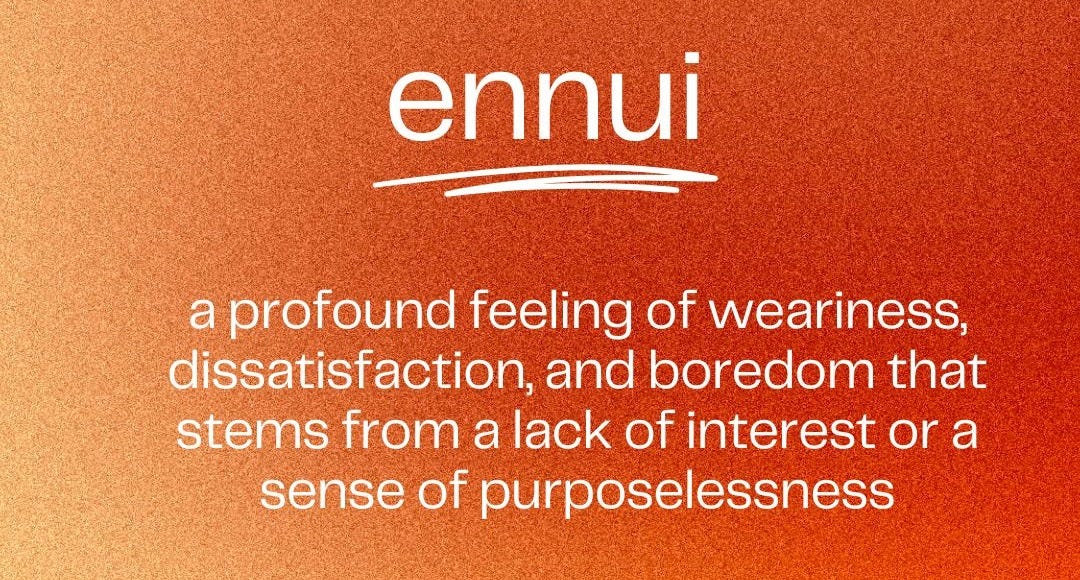
But the freedom to be fully seen often feels unsafe. Judgment and rejection threaten that freedom, leading us to suppress the parts of ourselves we’ve learned are “too much” or not palatable to others. Over time, this creates layers of shame, fear, and ennui*. It’s that dull ache of disconnection and disinterest in life.
Fluidity is the integration of our known parts and a continuous stream of new influence and nuance. Change is the only constant. And yet, we often mistake authenticity for sameness. But sameness to whom? To our past self? Or to the version of you others find easiest to digest? Often, it’s not just our own fear holding us back, but the comfort others find in our predictability.
The real anxiety behind the question ‘Am I being authentic?’ is that many of us don’t know who we are. This thorny truth is a result of many interrelated systems that condition disconnection from ourselves. To meet that discomfort. And then choose to turn inward, sit with your whole self, and listen for the truth. Is the beginning of coming home to yourself.
Modern Challenges
The digital age has been both profoundly beneficial and deeply damaging. Our relationship with social media has morphed into an overconsumption of each other’s lives, fueling chronic social comparison and a cascade of negative mental health outcomes.
This overexposure creates a hyper fixation on appearance and curation. Equally centering: how we look and present who we are online.
In trying to fit in, many of us have created versions of ourselves for others. Facades designed to be agreeable and submissive. The space between who we are, who we portray, and who we’re becoming can feel disorienting. And often, we monitor ourselves so closely, to stay “in the group,” that we lose sight of who we actually are.
The revitalization in authenticity has put a spotlight on the friction between our real and false selves. It invites us to confront the self-protective layers we’ve constructed to maintain artificial peace and conditional connection.
If the real self is who we are at our core, then false self is made up of the versions of us shaped by pain and self-preservation. Born in response to rejection, shame, or trauma. The last era of social media rewarded conformity, encouraging these masks by reinforcing the need to curate and perform rather than be genuine.
Beyond the common fears that can be block authenticity. Fear of rejection, evaluation or simply being perceived. There is another source of vulnerability I’ve observed in my work: the fear of being witnessed in the act of changing.
The Process of Shedding & Becoming
Existing in an interconnected world means we’re always influencing and being influenced by each other. Becoming the next version of yourself doesn’t happen in isolation; it creates bi-directional ripple effects. One often overlooked, yet deeply felt, truth is: your environment plays a powerful role not just in your ability to change, but in your capacity to sustain that change.
When you first make the shift to honor your truth, it will bring up uncomfortable feelings: fear, guilt, self-doubt. We misinterpret this discomfort as a warning not to continue, to abandon our Authenticity mission. But uncomfortable feelings don’t always mean something is wrong, it means that something is shifting. The feelings are data.
Especially if you’re moving out of people-pleasing and into self-honoring, then yes: guilt, fear of disappointment and worry about how others perceive you will arise. That doesn’t mean you should stop. It means you care.
And as you grow, others will react to your evolution.
Some will meet it with love and support. Others, consciously or unconsciously, may try to keep you in the version of yourself they’re most comfortable with. That doesn’t mean you owe them your past self. Your growth might make others uncomfortable. But their comfort is not your responsibility.
Relearning how to respond and how to support
We evaluate others constantly, even unconsciously.
So when someone around us starts to change, we notice. And how we react matters. Both in how we support others, and in how we internalize others’ reactions to us.
Before you respond to someone’s growth, pause. Ask yourself: “Will my words encourage their becoming or make them shrink?”
“I love how much you’ve grown”
lands very differently than
“You’ve changed.”
Choosing yourself
When you embody your most genuine self, even when that self is still taking shape. Be proud of that. Celebrate it.
You are the only one that can uphold that commitment. And you will have to choose it, again and again.
My hope is that you leave these words with the permission to change, and the courage to become the version of yourself that feels most true.
I’m creating a passion project that centers personal transformation within community! For those that feel called to grow in this lifetime.
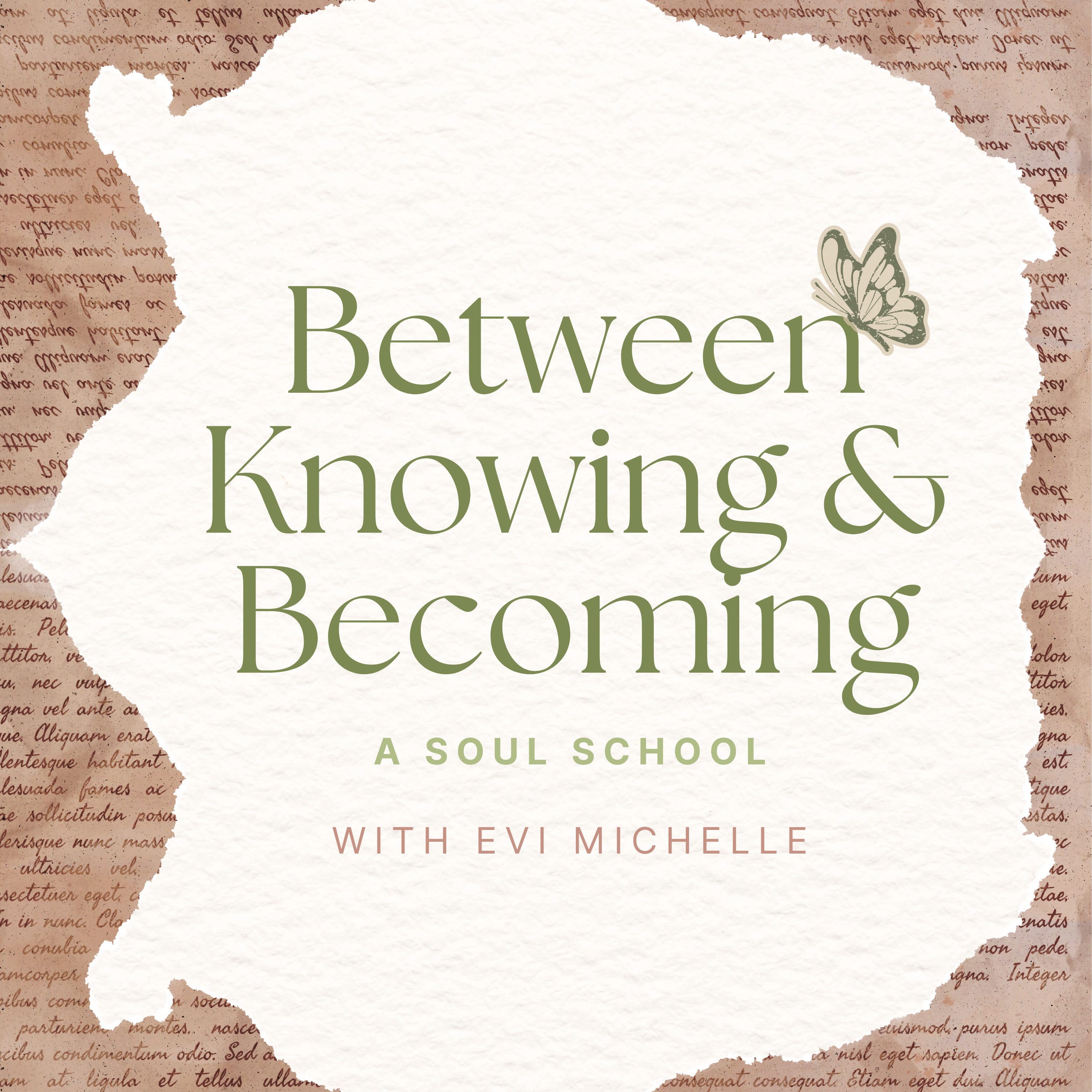
It’s called Between Knowing and Becoming: A Soul School. It’s a podcast that is shaped like a curriculum, designed for tangible growth, deep reflection and collective healing.
The first semester starts soon. See you in class!
References:
What it Means to be Truly Authentic
The Psychology of True and False Selves.
Academy of Ideas | Free Minds for a Free SocietyThe Psychology of Authenticity